Month: November 2023

How to Choose the Right Logistics Partner

How to Choose the Right Logistics Partner for Your Business

Working with the right business partners is crucial to a business’ success. That’s why it’s important to have a set of standards when picking the right freight and logistics partner for your business. In this article, we’ll share the top 10 things you need to look for in a third-party logistics provider. 

Freight and logistics partnerships is a valuable asset

When it comes to managing a successful business, especially in a globally competitive environment like the Philippines, having the right freight and logistics partner is as vital as having a top-notch product or service. Your business’s supply chain directly impacts customer satisfaction, operational efficiency, and ultimately, your bottom line.


The advantages of partnering with a competent logistics provider are manifold. They can streamline your operations, ensuring efficient transportation and timely delivery of your goods. They can help you navigate complex customs regulations, saving you from costly penalties and delays. Most importantly, they can free up your time and resources, allowing you to focus on what you do best – growing your business.

On the flip side, choosing the wrong logistics partner can lead to a host of problems. From missed delivery deadlines and damaged goods to compliance issues and unexpected costs, these challenges can harm your reputation, strain your customer relationships, and eat into your profits.

Consider a scenario where a Philippine-based food export company decided to partner with a relatively new logistics provider offering attractively low rates. This provider, however, lacked the necessary knowledge and expertise in dealing with customs regulations and clearance procedures. As a result, the company’s shipments got held up at ports, leading to significant spoilage and loss. This example underscores the risks of choosing a logistics partner based solely on cost without considering their competence and reliability.


How to evaluate third-party logistics providers

#1. Expertise and Experience

Experience equates to understanding in the freight and logistics industry. Companies that have weathered various industry changes, solved myriad problems, and demonstrated growth, offer a wealth of knowledge that benefits their clients.

What to Look for: Seek out a partner that has considerable experience, specifically in your industry sector. They should understand your unique challenges and requirements. 

Inquire about their success stories, how they have navigated difficulties, and what lessons they have learned over time. Their history can offer valuable insight into their problem-solving abilities and reliability.

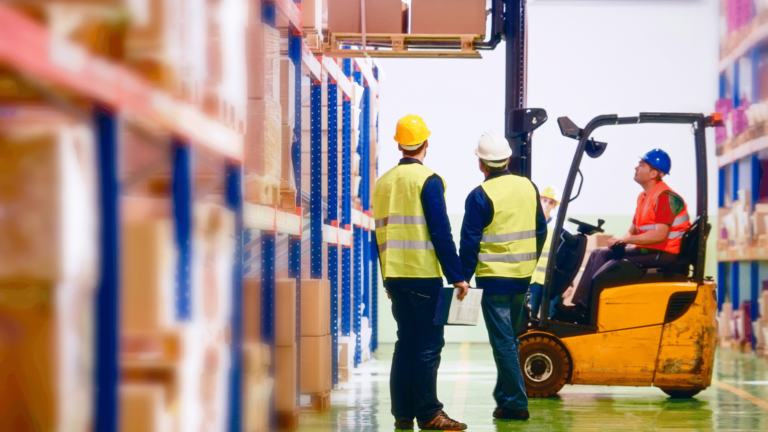
Various freight and logistics vehicles ready to transport different types of cargo.

#2. Range of Services

The needs of businesses vary, and you might require more than just freight services. Your logistics requirements could encompass an array of services, each one playing a vital role in your supply chain.

What to Look for: Investigate if the provider offers comprehensive services, including warehousing, order fulfillment, inventory management, packaging, last-mile delivery, and reverse logistics. Engaging with a single partner that can handle all these aspects can simplify your operations and create valuable synergies.

#3. Technology and Innovation

In the contemporary logistics landscape, technology is a game-changer. It can enhance efficiency, promote transparency, and ensure accuracy in operations.

What to Look for: A logistics partner that harnesses technology for real-time tracking, in-depth reporting, effective inventory management, and process automation. Their readiness to adopt innovation and adapt to new industry trends can be a marker of their commitment to continuous improvement.

#4. Network and Reach

The geographical coverage of your logistics partner can significantly impact their ability to meet your operational needs, especially if your business spans multiple markets or regions.

What to Look for: A broad network that aligns with your business operations and future expansion plans. If your business is engaged in international trade, a partner with robust global connections can facilitate smoother operations.

#5. Reliability and Performance

A lapse in your logistics partner’s service can impact your business’s reputation and the satisfaction level of your customers.

What to Look for: Proven reliability and superior performance. Ask for quantifiable performance indicators, including their on-time delivery rate, order accuracy, error rate, and turnaround time.
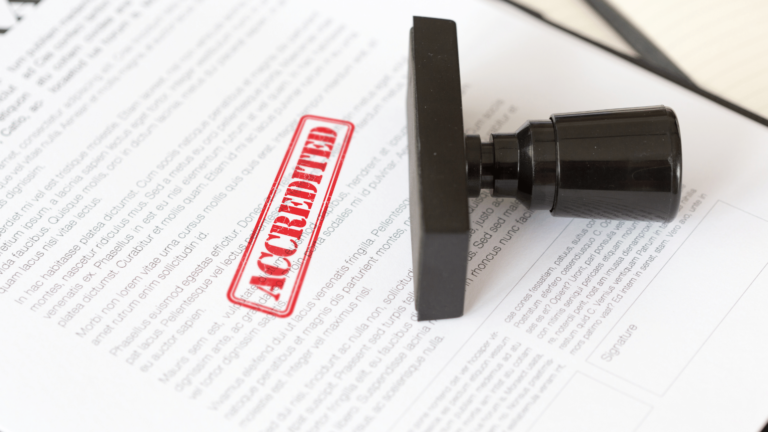
A stamp that says accreditation.

#6. Compliance and Accreditation

Compliance with industry regulations and standards is not optional – it’s essential.

What to Look for: Check if your potential partner abides by relevant health and safety regulations, environmental standards, and quality standards. Verify their certifications and accreditations, and inquire about their compliance processes and policies.

#7. Financial Stability

A partner struggling with financial difficulties is more likely to suffer service disruptions, which could impact your operations.

What to Look for: Indicators of financial stability. This might include credit ratings, the availability of financial reports, or a long-standing successful operation.

#8. Communication and Customer Service

Transparent and effective communication plays a key role in maintaining a strong partnership and resolving issues that may arise.

What to Look for: Seek out a logistics partner who values clear communication and has a dedicated customer service team. They should be responsive, attentive to your concerns, and proactive in providing updates.

#9. Cost and Value

While cost is a key factor, choosing a logistics partner should not be solely based on it.

What to Look for: Competitive pricing, but also consider the value you’re getting. The least expensive option may not provide the level of service, reliability, or coverage you need. Look at the overall value proposition, considering all aspects, from the breadth of services to the quality of customer service.

A graph that shows upward trajectory.

#10. Scalability

As your business evolves, your logistics needs will change. Your partner should be able to keep pace with your growth.

What to Look for: A partner with scalability. They should have the capacity to handle increased volumes and the flexibility to adapt to your changing needs.


Choosing the right freight and logistics partner is a multi-faceted decision. However, a methodical and comprehensive approach can help you identify a partner that aligns with your business needs and supports your growth. Remember, this is a partnership, and the right partner can significantly contribute to your success.

Book Your CaPEx Air Freight Shipment Today!

Need a trusted air freight in the Philippines? Contact CaPEx today to get a quote and book your shipment!

Call us now: 0919 056 6888 | (02) 8396-8888

Experience fast, reliable, and secure air cargo shipping with CaPEx!

Send Us A Message

The Importance of Getting Freight Insurance for Your Cargo

The Importance of Getting Freight Insurance for Your Cargo

Accidents can happen anytime even if you take the utmost precautions. This is why having insurance is essential, especially for businesses. Freight insurance is important because it gives your business financial protection when accidents occur to your shipments. 

Freight insurance is your business’ protection from bad luck

Shipping cargo is a common practice in today’s interconnected global marketplace. While this practice fuels international trade, it also exposes businesses to various risks. This is where freight insurance comes in. Freight insurance, also known as cargo insurance, offers protection against potential losses or damages to your cargo during transportation. This can be due to an array of issues, from natural disasters to theft, mishandling, and even political instability.

Freight insurance coverages vary, but they typically include protection against all risks for full or partial damage during the transportation process, whether by sea, air, or land. Some policies also cover warehouse storage during transit and liability for third-party damages.

Imagine, for instance, that your cargo of valuable electronics is en route across the ocean and encounters a severe storm causing it to be lost at sea. Without freight insurance, this loss would be completely borne by your business, potentially leading to significant financial strain. But with insurance, you can reimburse your losses from the insurance company. 

Why freight insurance is important

Risk Mitigation

The number one reason to get freight insurance is to mitigate the risks associated with transporting goods. Despite the best efforts of freight carriers, accidents do happen, and goods can get damaged or lost. Freight insurance provides a safety net that can prevent such incidents from becoming financial disasters. Additionally, in the face of unexpected events such as political instability or natural disasters, freight insurance can provide much-needed coverage, ensuring your business doesn’t bear the brunt of such unpredictable situations.

Financial Protection

Freight insurance ensures that your business is financially protected in case of cargo loss or damage. Insurance payouts can help cover the cost of lost or damaged goods, saving your business from the financial burden of these incidents. This financial protection can be crucial, especially for small businesses or startups, which may not have extensive resources to absorb such losses. Moreover, by providing a buffer against potential financial hits, freight insurance can contribute to the overall stability of your business.

Business Reputation

Ensuring your cargo is insured reflects well on your business. It shows your customers and partners that you are responsible and committed to delivering your goods safely. Furthermore, it boosts customer trust and confidence, as they can be reassured that even in the face of unforeseen circumstances, their orders are protected. This can, in turn, contribute to improved customer relationships and loyalty.

Global Trade Compliance

As businesses expand globally, they must comply with various international trade regulations. Some countries require certain types of insurance coverage for imported goods. By having freight insurance, you ensure that your business stays compliant with these regulations, avoiding potential legal issues, fines, or delays in delivery.

Coverage Beyond Carrier Liability

Carriers often have limited liability that may not cover the full value of your goods in case of loss or damage. For instance, in maritime transport, carrier liability is often dictated by the Hague-Visby Rules or the Rotterdam Rules, which set a limit on the amount a carrier may have to pay per kilogram of gross weight of the goods. Freight insurance provides coverage that extends beyond these limits, ensuring that you can recoup the full value of your goods if something goes wrong.

A woman opening her package that arrived.

Impact of Freight Insurance on Businesses

Freight insurance can significantly impact a business’s operation and financial health. If your cargo is lost or damaged, and you lack insurance, your business may face significant financial losses. Furthermore, delays in delivery due to such incidents can strain relationships with customers and business partners, potentially damaging your business’s reputation.

Consequences of not having freight insurance

Without freight insurance, your business assumes all risk associated with the transportation of your goods. This means you could potentially face a complete loss if your cargo is damaged or lost. Additionally, in case of a large-scale disaster, freight carriers’ limited liability might not cover the total value of your cargo, leaving your business to shoulder the rest.

Freight insurance is a crucial aspect of international trade and transportation. It provides a safety net for businesses, mitigating risks associated with transporting goods, providing financial protection, and upholding a business’s reputation. Going without it places a significant financial burden on your business should anything go wrong.

Where to get freight insurance for your cargo

Getting freight insurance is typically done through an insurance broker or directly through some freight forwarders. It’s important to understand the terms of the policy, including what is covered and what isn’t, as well as any deductibles that apply. 

How much freight insurance to get 

As for how much insurance to get, a general rule of thumb is to insure your goods for their full value, plus the cost of freight and an additional 10% for potential additional expenses. However, this might vary based on the nature of your goods and the risks associated with the transportation mode and route.

Freight insurance is not just an optional add-on but an essential component of a sound business strategy, especially for businesses involved in international trade. It is an investment in peace of mind, providing invaluable protection against the unpredictable nature of global cargo transportation.

Book Your CaPEx Air Freight Shipment Today!

Need a trusted air freight in the Philippines? Contact CaPEx today to get a quote and book your shipment!

Call us now: 0919 056 6888 | (02) 8396-8888

Experience fast, reliable, and secure air cargo shipping with CaPEx!

Send Us A Message

What to Look for in a Storage and Warehousing Provider

What to Look for in a Storage and Warehousing Provider?

Warehousing and storage is one of the most common challenges of growing businesses. This is why the number of 3rd-party storage and warehousing facilities are increasing. In this article, we’ll give you a 10-point checklist on what to look for on a storage and warehousing provider.

Warehousing and storage are essential for growing businesses.

In today’s fast-paced and competitive business environment, effective logistics management is critical for success. Central to this is storage and warehousing, a sector that has seen substantial growth in recent years. The need for these services has been driven by the rise of e-commerce, globalized supply chains, and businesses’ increasing focus on their core competencies.

Outsourcing warehousing and storage for your business can bring numerous advantages. It can provide businesses with access to specialized expertise and advanced technology, free up resources to focus on core activities, and offer flexibility to scale operations up or down according to demand. Moreover, a reliable storage and warehousing provider can help reduce operational costs, improve efficiency, and enhance customer service by ensuring quick and accurate order fulfillment.

The impact of warehousing and storage on businesses cannot be overstated. It plays a vital role in maintaining the flow of goods, protecting inventory, and meeting customer demand promptly.

Consider, for example, a growing retail business. As the business expands, it starts receiving orders from across the country. Managing inventory, storing goods safely, and ensuring timely delivery have become increasingly challenging. By partnering with a third-party warehousing and storage provider, the retailer can efficiently manage these logistical challenges. The provider can handle the storage, order fulfillment, and distribution, enabling the retailer to focus on marketing, customer service, and business growth.

Warehouse managers reviewing inventory inside a storage facility.

What to Look for in a Storage and Warehousing Provider

#1 Strong Security Measures 

Security is paramount when it comes to storage and warehousing. This is because your inventory constitutes a significant part of your business assets. As such, a good warehousing provider should have robust security measures in place, like CCTV surveillance, onsite staff, and gated access. If this quality is absent, you may face the risk of theft or damage to your goods, which could lead to financial losses and disruption in your supply chain.

#2 Industry Specific Standards 

Warehousing needs vary across different industries. As such, a good warehousing provider should have the necessary understanding and capacity to handle the specific requirements of your industry. This could include special storage conditions like cold-room storage for perishable goods. If your warehousing provider does not meet industry-specific standards, it could lead to improper storage of your goods, resulting in damage or spoilage, affecting your business negatively.

#3 Easy to Work With

The warehousing provider should be easy to work with, as this reduces stress and makes the process more enjoyable. If a provider is difficult to work with, it could lead to misunderstandings, errors in inventory management, and retrieval issues. This could subsequently lead to delays and inefficiencies in your supply chain, negatively impacting your business operations.

#4 Flexible Warehousing Services

Business needs can change rapidly, and as such, flexibility is a crucial quality to look for in a warehousing provider. They should be able to accommodate last-minute changes, such as overflow storage, without any hitches. If a provider is inflexible, it could lead to inefficiencies in your inventory management and an inability to respond to rapid changes in demand, negatively impacting your business growth.

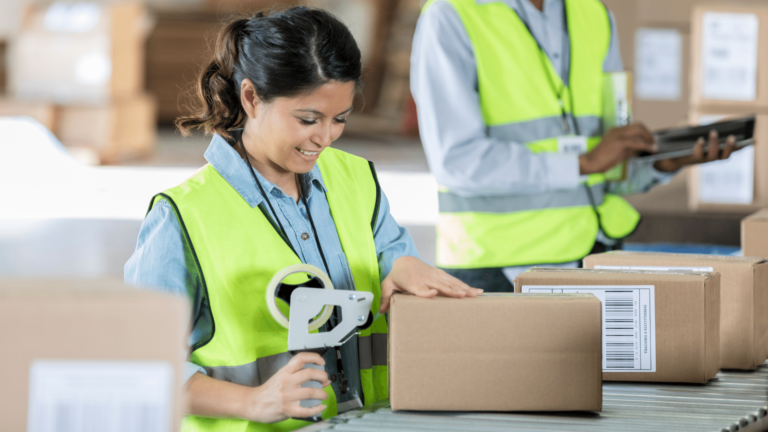
A woman packing and organizing items in a warehouse.

#5 Quality Fulfillment Services

A warehousing provider should offer high-quality fulfillment services, including receiving, storage, and re-delivery of your inventory as needed. This helps streamline your operations and save time and effort. However, if these services are lacking or of low quality, it could lead to inefficiencies, delays in order fulfillment, and even customer dissatisfaction, which could harm your business reputation and bottom line​​.

#6 Reputable Track Record

Experience and reputation matter a lot in warehousing. A provider with a reputable track record likely understands the intricacies of warehousing and can provide the best experience possible. However, if a provider does not have a solid track record, it could indicate a lack of experience or poor service, potentially leading to issues with your inventory management and overall business operations.

#7 Technology Integration

In today’s digital age, a warehousing provider should be able to integrate with the latest technologies, such as Warehouse Management Systems (WMS), the Internet of Things (IoT), and data analytics. This ensures efficient inventory management, real-time tracking, and data-driven decision-making. Without this capability, your business could face operational inefficiencies, inaccuracies in inventory tracking, and a lack of actionable insights for improvement.

#8 Customer Service

Excellent customer service is a quality that should not be overlooked. The provider should be responsive, provide timely updates, and address any concerns promptly. If a provider lacks good customer service, it can lead to communication gaps, unresolved issues, and overall dissatisfaction, which can affect the smooth operation of your business.

#9 Scalability

As your business grows, your storage and warehousing needs will also increase. Therefore, it’s crucial to find a provider that can scale their services to match your growing needs. If a provider lacks scalability, it may be unable to accommodate your business expansion, leading to potential bottlenecks and hindrances in your growth.

A warehouse manager in front of the facility.

#10 Reliability

Above all, reliability is a key quality to look for in a warehousing provider. They should be able to consistently deliver on their promises and meet your expectations. A reliable provider ensures that your inventory is well-managed and that your operations run smoothly. If a provider is unreliable, it could lead to inconsistencies, delays, and disruption in your supply chain, which could negatively impact your business operations and reputation.

Bonus Quality: Add-on Services

Not all storage and warehousing providers provide equal servicing. Some do it better than others. That’s why you should also look into add-on services a provider offers because they can take your business to the next level. Some services to look for are order fulfillment, kitting, packing, and labeling. Getting these services can make your operations smoother and can increase your productivity. 

When looking for a storage and warehousing provider, it’s important to be meticulous when evaluating your prospects. That’s because you’re giving them a lot of responsibility and influence on your business operations. Hence, mistakes and missteps can have catastrophic consequences. 

Book Your CaPEx Air Freight Shipment Today!

Need a trusted air freight in the Philippines? Contact CaPEx today to get a quote and book your shipment!

Call us now: 0919 056 6888 | (02) 8396-8888

Experience fast, reliable, and secure air cargo shipping with CaPEx!

Send Us A Message