Category: Uncategorized

LTL vs. FTL Shipping: Key Differences and When to Use Each for Your Business

LTL vs. FTL Shipping: Key Differences and When to Use Each for Your Business

As a business decision maker, understanding the key differences between Less-than-Truckload (LTL) and Full Truckload (FTL) shipping is crucial for optimizing your logistics processes and managing costs. Both LTL and FTL options offer unique advantages and disadvantages, making them suitable for different types of shipments. Knowing which one to choose and when shipping your goods to your customers or distributors. 

In this article, we will explore the key differences between LTL and FTL shipping, their pros and cons, and when to use each option. Our team created this short guide to help you maximize each shipping option, so you can make your business more efficient. 


Less-than-Truckload (LTL) Shipping

A stack of boxes inside a container van being shipped by land freight

LTL shipping, or less-than-truckload shipping, is a method used for transporting smaller shipments that don’t take up the entire space of a truck. Instead of hiring a whole truck for a single shipment, LTL shipping allows you and other shippers to share the space and cost of a truck, making it an affordable and efficient option. This is especially beneficial for businesses and individuals who have smaller cargo sizes or do not need to transport goods in large quantities.

When using LTL shipping, multiple shipments from different customers are consolidated onto a single truck, traveling together on a shared route. This means that the truck might make several stops along the way to pick up and drop off various LTL shipments. As a result, transit times may be longer compared to full truckload shipping, but the cost savings and efficiency make it an attractive choice for many shippers. Additionally, LTL shipping providers often offer services such as tracking and insurance to ensure the safe and timely delivery of goods.


Advantages

Cost-effective: LTL shipping is often more affordable than FTL shipping for smaller shipments, as the costs are shared among multiple shippers.

Flexibility: LTL shipping allows businesses to transport smaller quantities of goods without having to pay for the entire truck.

Eco-friendly: By consolidating multiple shipments onto a single truck, LTL shipping reduces the number of trucks on the road, resulting in lower carbon emissions.

Disadvantages

Slower transit times: LTL shipments often involve multiple stops to pick up and deliver other shipments, leading to longer transit times compared to FTL shipping.

Increased risk of damage: As LTL shipments are handled more frequently during the consolidation and deconsolidation process, there is a higher risk of damage or loss compared to FTL shipments.

When to use LTL shipping

LTL shipping is ideal for businesses that need to transport smaller shipments, typically weighing between 150 and 15,000 pounds, and do not require the full capacity of a truck. It is a cost-effective option for companies that can accommodate slightly longer transit times and are willing to share the truck space with other shippers.

It is ideal when your packages are not time-sensitive and you want to save on shipping costs. One great example of businesses that use LTL shipping is e-commerce sellers who share the space with other sellers delivering products to specific locations. 


Full Truckload (FTL) Shipping

A full container van delivering cargo for a business.

FTL shipping, or full-truckload shipping, is a transportation method specifically designed for large shipments that require the entire capacity of a truck. In contrast to LTL shipping, FTL shipping involves the truck being exclusively dedicated to your shipment. This means that the truck will not carry any other shipments, ensuring that the entire space is utilized for your cargo.

Full-truckload shipping is often the preferred choice for businesses or individuals who have large quantities of goods to transport or require a faster delivery time. Since the truck is dedicated solely to one shipment, there are fewer stops along the route, resulting in shorter transit times compared to LTL shipping. Additionally, FTL shipping may provide more security and control for the shipper, as their cargo is the only one on the truck, reducing the risk of damage or loss during transportation.


Advantages

Faster transit times: FTL shipments travel directly from the pickup point to the delivery point without extra stops, resulting in quicker transit times compared to LTL shipping.

Lower risk of damage: Since FTL shipments are not consolidated with other shipments, they are handled less frequently, reducing the risk of damage or loss.

Customizable: FTL shipping allows businesses to choose specific equipment and truck configurations to accommodate special requirements, such as temperature control or oversized loads.


Disadvantages

Higher costs: FTL shipping can be more expensive than LTL shipping, as the cost of the entire truck is borne by a single shipper.

Less eco-friendly: FTL shipments may result in underutilized truck space, leading to increased carbon emissions.


When to use FTL shipping

FTL shipping is best suited for businesses that need to transport large shipments, typically weighing over 15,000 pounds or occupying more than half of a truck’s capacity. It is also ideal for time-sensitive shipments or those with special handling requirements, such as temperature-controlled or hazardous materials.

Moreover, FTL shipping is a better option when you have proprietary or fragile products that need to be transported delicately. For instance, if you’re shipping your newest products straight to your distributors, it’s safer not to share the truck with other shippers to eliminate the risk of wrong delivery. 


The choice between LTL and FTL shipping depends on various factors, including shipment size, weight, time sensitivity, and specific handling requirements. LTL shipping is a cost-effective and flexible option for smaller shipments, while FTL shipping offers faster transit times and a dedicated truck for larger or specialized shipments.

Understanding the key differences between LTL and FTL shipping will enable you to make informed decisions that best serve your business needs, ultimately leading to more efficient logistics processes. 

Book Your CaPEx Air Freight Shipment Today!

Need a trusted air freight in the Philippines? Contact CaPEx today to get a quote and book your shipment!

Call us now: 0919 056 6888 | (02) 8396-8888

Experience fast, reliable, and secure air cargo shipping with CaPEx!

Send Us A Message

Different Types of Freight: A Comprehensive Guide for Small and Medium Business Owners

Different Types of Freight: A Comprehensive Guide for Small and Medium Business Owners

As a small or medium business owner, understanding the different types of freight and their pros and cons is important to optimize your logistics and shipping processes. Efficient freight management can help reduce business costs, ensure timely deliveries, and contribute to increased customer satisfaction. 

In this comprehensive guide, we will discuss the primary types of freight: land, sea, air, and rail, and explore the advantages and disadvantages of each. to help you This guide is created by our team to help you make informed decisions about your shipping and logistics needs. 

Land Freight

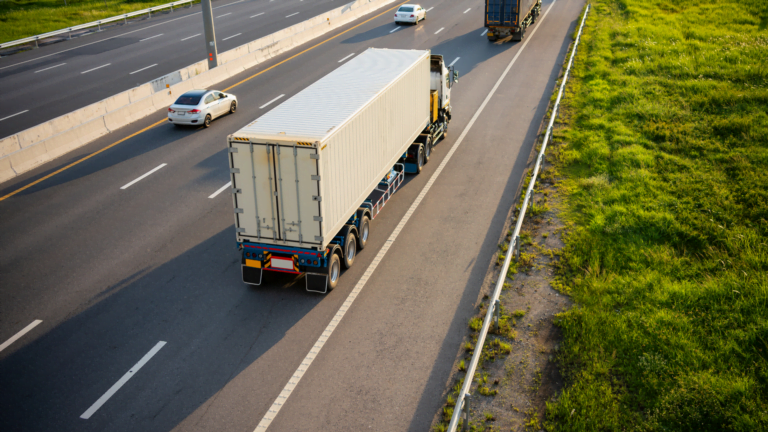
A container truck traveling on a highway to make a delivery via land freight

Land freight, which involves the transportation of goods via motorcycles, cars, trucks, and vans, is a popular choice among businesses due to its flexibility and cost-effectiveness. This service is usually used for shorter distances like inter-city or inter-region shipping.  


Advantages of Land Freight

Cost-effective

Land freight is generally more affordable compared to air or sea freight, especially for shorter distances.

Door-to-door capability 

Land transportation can pick up and deliver shipments directly to and from the desired locations.

Flexibility 

Land freight can accommodate various shipment sizes and types, including less-than-truckload (LTL) and full-truckload (FTL) shipments. This gives you the financial flexibility to manage your costs when shipping fewer items. 

Tracking

Advanced GPS tracking systems allow you to monitor the shipment’s progress in real-time.


Disadvantages of Land Freight

Limited by geography

Land freight is restricted to land routes and cannot be used for overseas shipments. 

Slower delivery times 

For long-distance shipping like Luzon to Mindanao, ground transportation generally takes longer than air or sea freight, which might not be ideal for time-sensitive shipments.

Weather and traffic

Land freight can be affected by adverse weather conditions and traffic congestion, which may result in delivery delays.

Sea Freight

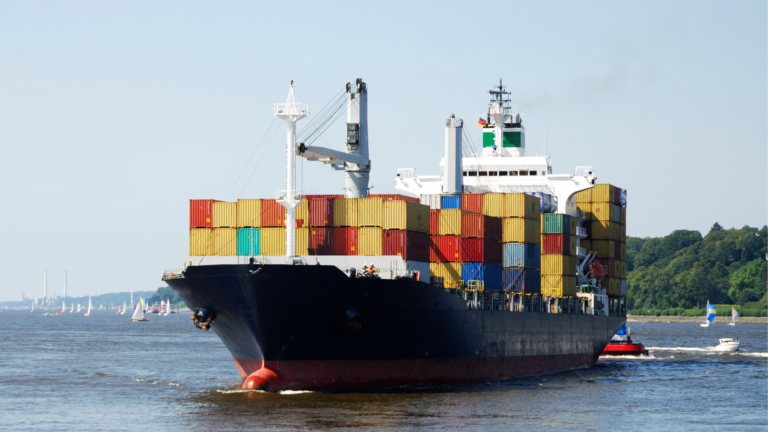
A container ship transporting multiple container vans.

Sea freight is the go-to choice for businesses that need long-distance transportation of large volumes of goods at an affordable rate.

Advantages of Sea Freight

Economical

Sea freight is the most cost-effective option for shipping large volumes of goods over long distances. That’s because ships can distribute the costs around more shipments (and even passengers). This cost-sharing helps drastically reduce the prices you’ll have to pay to ship your packages. 

High Capacity

Ships can carry vast quantities of cargo, making them suitable for large-volume shipments. This makes sea freight ideal for businesses that must transport multiple containers across the country (or worldwide). 

Eco-friendly

Shipping via sea freight has a lower carbon footprint compared to air freight.

Disadvantages of Sea Freight

Slow transit time 

Sea freight can take several weeks, even months, to reach its destination, making it unsuitable for time-sensitive shipments. This is because container ships take longer to travel than airplanes. Plus, container ships need to refuel, which also reduces their speed. 

Limited routes

Sea freight is restricted to established sea routes and port locations. Because of this, you might have to arrange multiple transportation methods for your shipments to get them to their final destination. 

Customs and regulations 

International shipments may be subject to customs clearance, import/export regulations, and additional documentation, which can delay delivery times.

Air Freight

An airplane used for transporting cargo via air freight

Air freight is the fastest mode of transportation for shipping goods at long distances, making it ideal for time-sensitive shipments.


Advantages of Air Freight

Speed

Air freight offers the quickest transit times, often delivering shipments within days or even hours. This is because of how fast airplanes can travel, plus the number of flights available per day which can carry your shipment. 

Global reach

Air freight services connect virtually every major (and a lot of smaller) cities in the world, allowing for greater accessibility. Even our provinces and islands in the Philippines have airports that can accommodate air freight. 

Reliable delivery times

With set flight schedules, air freight offers more predictable delivery times compared to sea or land freight. This makes transporting goods via air freight much more efficient for businesses that need to immediately transport smaller batches of products. 

Disadvantages of Air Freight

Expensive

Air freight is typically the most expensive mode of transportation due to its speed and convenience.

Limited capacity

Airplanes have limited cargo space, making them unsuitable for shipping large quantities of goods or oversized items.

Environmental impact

Air freight has a higher carbon footprint compared to sea or land freight.

Rail Freight

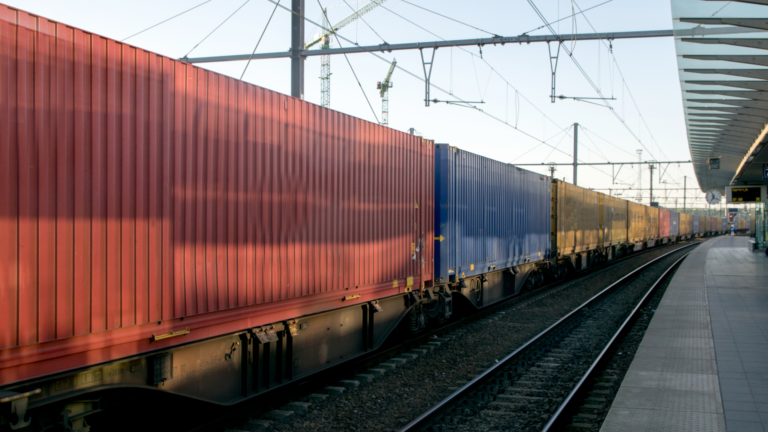
A train being used to transport cargo for rail freight.

Rail freight, which involves transporting goods via trains. In developed countries, this is a popular option for long-distance, domestic shipments. However, rail freight is not yet available in the Philippines as of writing. Fortunately, there are news reports saying that over the next couple of years, rail freight will become accessible due to the improvements in the country’s infrastructure. 

Advantages of Rail Freight

Cost-effective

Rail freight is often more affordable than air and land freight for long-distance shipments.

High Capacity

Trains can carry large quantities of goods, making them suitable for bulk shipments.

Eco-friendly 

Rail freight has a lower carbon footprint compared to air and land transportation.

Disadvantages of Rail Freight

Limited Routes

Rail freight depends on existing rail networks and is restricted to specific routes.

Slower Transit Times

Trains generally take longer to reach their destination compared to air freight.

Limited flexibility

Rail freight is less flexible in terms of shipment sizes and pickup/delivery locations compared to land freight, as it requires transfer to and from rail terminals.

Selecting the most suitable freight option for your business depends on several factors, including the shipment’s size, weight, destination, and time sensitivity. Each mode of transportation—land, air, air, and rail freight—offers its own set of advantages and disadvantages.


Land freight is a versatile and cost-effective choice for domestic shipments, with door-to-door service and flexibility for different shipment sizes. However, there are weight and distance limitations to it. 

Sea freight is the most economical option for long-distance local and international shipments, particularly when shipping large quantities of goods. The downside is the longer shipment times due to various factors. 

Air freight is the fastest mode of transportation, ideal for time-sensitive shipments that require a global reach. But the speed of transportation comes at the cost of high prices and limited shipping size.  

Rail freight is an eco-friendly and cost-effective alternative for long-distance, domestic shipments with high-capacity requirements. However, this mode of shipping is not yet available in the country at the moment. 

Understanding the pros and cons of each freight type will help you make informed decisions about your logistics and shipping needs, ensuring cost-effective, timely, and reliable delivery for your customers.

Book Your CaPEx Air Freight Shipment Today!

Need a trusted air freight in the PhilippinesContact CaPEx today to get a quote and book your shipment!

Call us now: 0919 056 6888 | (02) 8396-8888

Experience fast, reliable, and secure air cargo shipping with CaPEx!

Send Us A Message

Detailed Shipping Safety Guide: 2023 Edition

Detailed Shipping Safety Guide: 2023 Edition

Shipping packages for the first time can be an intimidating task. We’ve all been there: googling for different tips, asking our parents for advice, and being anxious about the whole ordeal. 

What if the package doesn’t arrive on time? Or worse, what if it gets lost or damaged along the way? 

Don’t worry. These are all valid concerns, and it’s only natural to feel a little overwhelmed as a first-time shipper.

But fear not! You’re not alone in navigating this new territory. Our Cargo Padala Express Forwarding Corp. (CaPEx) team put together a guide containing five crucial safety reminders when sending packages. These tips are designed to ease your worries and ensure your precious cargo reaches its destination safely and securely.

We understand the emotional investment that goes into sending packages, especially when it contains something of personal significance. It could be a thoughtful gift for a loved one, an important document, or a handmade item crafted with love and care. That’s why we’re here to share our knowledge and experience, so you can confidently send your packages without losing sleep over their safety. 

Read on to discover how to protect your shipments and feel at ease each time you entrust your valuables to the shipping process.

Safety Tip #1: Use the Right Packaging Materials

The right packing materials

Selecting appropriate packaging materials is the first step in ensuring the safety of your package. High-quality materials will provide better protection for your items during transit. Here are some essential packaging materials to consider:

Sturdy boxes

Choose a box from of strong, corrugated cardboard that’s the right size for your items. Avoid using old or damaged boxes that may collapse or tear during shipping. Also, avoid cheap and poorly made boxes that might rip easily, especially when shipping heavy items of multiple items. 

Padding and cushioning

Use bubble wrap, foam, or crumpled newspaper to protect fragile items by wrapping them individually. Then, use them as fillers to reduce the empty spaces in the box. This will help prevent damage from movement or impact during transit.

Packing tape

Use heavy-duty packing tape to securely seal your box, especially along the edges and seams. This will help keep the contents safe and prevent the box from accidentally opening during shipping.

Seals and covers

When shipping items that might leak, seal them properly so they won’t leak. Use a heat seal instead of a cling wrap when sending shampoos, lotions, and other bottled liquids (if allowed) to ensure nothing spills. 

Investing in high-quality packaging materials will help reduce freight risks like accidental opening and breakage. Ultimately, your main goal is to ensure everything arrives safely and in one piece. 

Safety Tip #2: Pack Your Cargo Safely

This crucial step can significantly reduce the risk of damage during transit and ensure your items arrive in perfect condition. Follow these tips to ensure your items are well-protected during their journey:

  • Select a sturdy box that is appropriately sized for your items. Using a box that is too large or too small may compromise the integrity of your package. Then, reinforce the bottom of the box with strong packing tape to prevent it from collapsing or opening unexpectedly.

  • Place heavier items at the bottom of the box and lighter, more fragile items on top: This will prevent the heavier items from crushing or damaging the lighter, more delicate items during transit. It also helps to distribute the weight evenly, making it stable and planted during transport. 

  • Wrap fragile items individually with bubble wrap or foam: Providing extra protection to delicate items is crucial. Wrap each fragile item separately in bubble wrap, foam, or other cushioning materials. This will create a protective barrier around the item, absorbing shock and minimizing the risk of breakage. If you can, use an additional box for fragile items after wrapping them with bubble wrap. 

  • Fill empty spaces with cushioning materials: Prevent items from shifting during transit by filling any empty spaces in the box with packing peanuts, crumpled newspaper, or other materials. This will help maintain the stability of your package and reduce the likelihood of damage caused by movement.

  • If you’re shipping multiple items, consider using dividers or compartments. Keep your items organized and prevent damage from contact by using dividers or compartments within the box. This is particularly useful when shipping items with sharp edges or delicate surfaces that can be easily scratched or damaged.

Safety Tip#3: Label Your Package Clearly

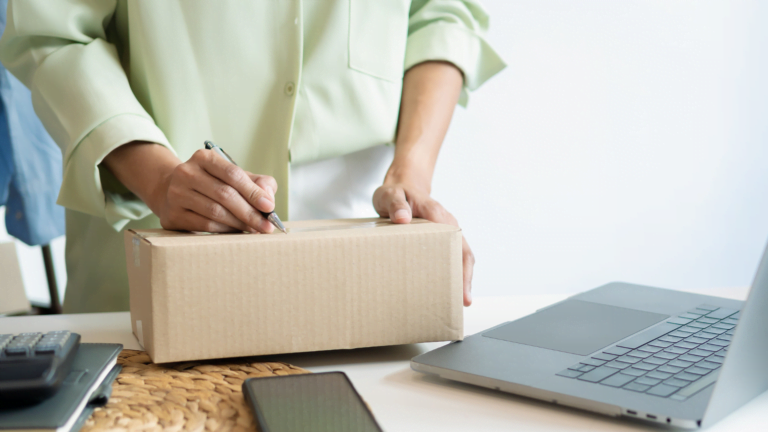
Woman labeling her package properly

Clear and accurate labeling is crucial for the successful delivery of your package. Be sure to include the following information on your package:

Recipient’s details

Make sure to clearly write their full name, address, and contact information. And double-check the details for accuracy to avoid delivery delays.

Sender contact information

This will help the courier contact you if any issues arise during the shipping process.

Special handling instructions

If your package contains fragile or delicate items, include a “Fragile” or “Handle with Care” label to alert the courier to handle the package gently.

Safety Tip#4: Familiarize Yourself with Prohibited Items

Prohibited items for shipping

Each courier and country has a list of prohibited items that cannot be shipped. Familiarize yourself with these restrictions to avoid delays or complications during shipping. Some common prohibited items include:


    • Flammable, corrosive, or explosive materials

    • Weapons or firearms

    • Perishable goods

    • Live animals

    • Illegal substances or drugs

If you’re unsure whether an item you plan to ship is prohibited, you can consult our team for guidance.

Safety Tip#5: Choose a Reliable Shipping Partner

Selecting a reputable and reliable shipping partner like Cargo Padala Express Forwarding Corp. (CaPEx) is crucial to ensuring the safety and security of your package. Here’s what you can expect when working with us:

Professional handling: Our team at CaPEx is trained to handle packages with care, ensuring your items reach their destination in the best possible condition.

Tracking and monitoring: We provide real-time tracking for your package, allowing you to monitor its progress from pickup to delivery.

Customer support: Our dedicated customer support team can assist you with any questions or concerns you may have throughout the shipping process.

Sending a package for the first time doesn’t have to be a daunting task. By following these five safety reminders and partnering with a reliable shipping provider like CaPEx, you can ensure a smooth and secure shipping experience for your items. Remember, our experienced team is always available to guide and support you throughout the process, from selecting the right packaging materials to tracking your package’s progress. Trust CaPEx with your shipping needs and enjoy peace of mind knowing that your package is in good hands.

Book Your CaPEx Air Freight Shipment Today!

Need a trusted air freight in the Philippines? Contact CaPEx today to get a quote and book your shipment!

Call us now: 0919 056 6888 | (02) 8396-8888

Experience fast, reliable, and secure air cargo shipping with CaPEx!

Send Us A Message

Quick & Easy Door-to-door Guide: 2023 Edition

Quick & Easy Door-to-door Guide: 2023 Edition

Door-to-door shipping is convenient and efficient for sending packages, documents, and other goods nationwide. This makes it a popular choice for a lot of individuals and businesses sending packages all throughout the country. And even abroad. 

To help you get the most out of this, our team created this door-to-door guide to provide a comprehensive overview of point-to-point shipping, covering everything from the benefits to tips for a successful shipping experience.

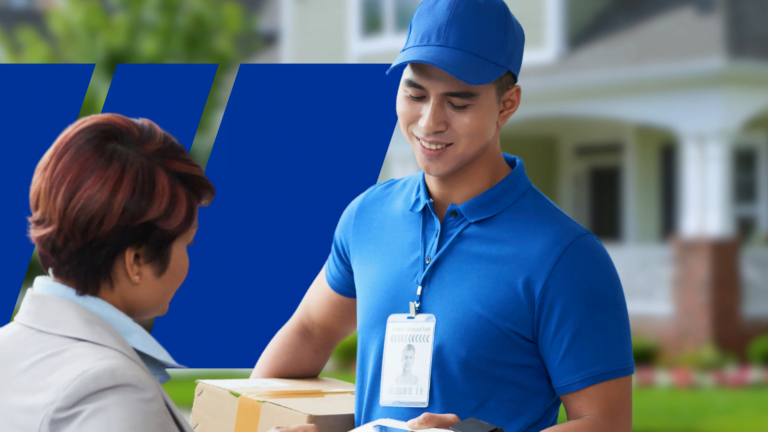
A delivery man doing door-to-door delivery to a business owner

The Benefits of Point-to-Point Shipping

Door-to-door shipping offers numerous advantages over other shipping methods. As a result, it became an increasingly popular choice for individuals and businesses. Some of its key benefits include:

Convenience

With this type of shipping, your packages are picked up directly from your home or office and delivered to the recipient’s doorstep. This eliminates the need to visit a courier office. Ultimately, this saves you time, money, and effort.

Speed

Moreover, land freight services are generally faster than sea or air freight, especially for domestic shipments within the Philippines. With an extensive network of roadways and transport hubs, land freight services can deliver your packages quickly and efficiently, especially for regional deliveries. 

Cost-effectiveness

This type of logistics service can be more cost-effective than other shipping methods, particularly for small to medium-sized packages. That’s because land freight providers can offer competitive pricing for those prioritizing cheap shipping fees by consolidating shipments and optimizing routes.

Flexibility

Another advantage of door-to-door delivery services is they can accommodate various package sizes, weights, and types. This versatility makes it suitable for various shipping needs, from small parcels to large, bulky items.

A cargo truck doing land freight delivery

Understanding Land Freight Services in the Philippines

Our daily commutes show that land freight still plays a significant role in transporting goods across the country. You’ll see a lot of delivery vehicles throughout the day transporting various types of goods. These services typically rely on a combination of trucks, vans, and motorcycles to transport packages between cities and provinces.

So, when selecting a land freight provider for point-to-point shipping, it’s essential to consider factors such as:

Coverage

When choosing a provider, choose one with extensive coverage throughout the Philippines. This ensures that your package can be delivered to its destination efficiently.

Transit Time

Different providers may offer varying transit times depending on their routes and schedules. Because of that, it’s crucial to select a provider that can meet your specific delivery timeframe. Else, your packages will arrive late.

Cost

Compare pricing among various providers to find the most cost-effective option for your shipping needs. This would help you find the best deal for you. Thus, helping you save on shipping costs.

Tracking and Monitoring

Opt for a land freight provider that offers real-time tracking, allowing you to monitor the progress of your package throughout the shipping process, so you can feel at ease knowing where your package is.

Customer Service

A responsive and helpful team is crucial for addressing any questions or concerns that may arise during the shipping process.

Tips for a Successful Door-to-Door Shipping Experience

To ensure a smooth and hassle-free shipping experience, keep these tips in mind:

Pack your items properly

Use sturdy boxes, ample cushioning, and heavy-duty packing tape to protect your items during transit. Pack fragile items carefully and fill empty spaces with padding materials to prevent movement or damage.

Label your package clearly

Include the recipient’s full name, address, contact information, and your own contact details as the sender. This will help ensure your package is delivered to the correct destination without delays.

Stay informed about shipping restrictions

Familiarize yourself with any shipping restrictions or prohibited items specific to the Philippines or your chosen land freight provider. This will help prevent any issues or delays during the shipping process.

Plan ahead

Schedule your shipment in advance to ensure it arrives within your desired timeframe. Keep in mind that transit times may vary depending on factors such as weather, traffic, and regional events.

Work closely with your land freight provider

Maintain open communication with your chosen provider and promptly provide all necessary information and documentation. This will help them better manage your shipment and address any potential issues that may arise during the shipping process.

CaPEx delivery man delivering cargo door-to-door

Seamless Door-to-Door Shipping Experience with Cargo Padala Express Forwarding Corp. (CaPEx)

Simplify your logistics with CaPEx’s door-to-door delivery services. Enjoy hassle-free shipping, faster transit times, and enhanced security for your cargo. By working with us, you’re getting the following advantages: 

  • Convenience: Our end-to-end delivery service makes the process easier since we’ll pick up your package and deliver it straight to your desired destination. 
  • Time-saving: Your package will arrive at its destination faster since it’s a direct hand-off with fewer touchpoints. 
  • Enhanced security: Our shipping services minimize the risk of damage, theft, or loss by reducing the number of touchpoints throughout the shipping process.

Discover the benefits of our local delivery services by contacting us today for a personalized quote. Our dedicated team is here to help you select the most suitable door-to-door solution for your specific shipping needs and ensure a smooth and hassle-free logistics experience.

Book Your CaPEx Air Freight Shipment Today!

Need a trusted air freight in the PhilippinesContact CaPEx today to get a quote and book your shipment!
Call us now: 0919 056 6888 | (02) 8396-8888

Experience fast, reliable, and secure air cargo shipping with CaPEx!

Send Us A Message

Local Shipping Guide for Beginners: 2023 Edition

Local Shipping Guide for Beginners: 2023 Edition

Sending care packages filled with gifts and treats to your loved ones in the province is a heartwarming tradition that brings families closer together, even across vast distances. It’s also a good way to make your family feel your love on occasions like Mother’s Day and Father’s Day when you’re far away and can’t come home. 

Our team knows how important it is to get your care packages safely and on time to your loved ones. That’s why we compiled these seven tips we learned from years of bridging families nationwide. These tips will ensure that your shipping experience will be smooth and hassle-free.

Shipping Tip #1: Choose the Right Box Size for Your Package

Different sizes of boxes for cargo.

Selecting the appropriate box size is crucial for the safety of your items. Packing your goodies in a large box might create too much space for the items to move around. And the more this happens, the higher the risk that something breaks.

Aside from safety, the right box can also help you save on local shipping costs. Big boxes cost more to ship than smaller boxes since they take up more space. That’s why finding the perfect size for your shipment is important to cut costs.

Shipping Tip #2: Pack Items Strategically Inside the Box

When packing your care package, place heavier items at the bottom and lighter, more fragile ones on top. This makes your box more stable and planted to the ground, limiting unnecessary movement. Moreover, this helps prevent damage during transit. 

To add a layer of protection, use bubble wrap, packing peanuts, or crumpled newspaper to fill any gaps and keep everything snug. Plus, wrap and create extra cushioning for delicate and fragile items like glassware, laptops, mobile phones, etc.

Shipping Tip #3: Label Your Box Clearly to Show the Local Address of Your Shipment

Woman labeling her boxes properly before shipping them.

Clearly label your care package with the recipient’s full name, address, and contact information. This ensures that our team and local partners can easily deliver your box to the correct destination. Also, include your contact information as the sender in case any issues arise during shipping.

Shipping Tip #4: Seal Your Box Safely & Securely

Properly sealing your package is important to protect it from tampering or accidental opening during transit. Instead of regular masking or scotch tape, use heavy-duty packaging tape designed specifically for sealing boxes since it offers better adhesion and durability. 

For added security, use the H-tape method, which involves applying tape along the center seam and side seams to create an H shape. This method ensures that all sides, edges, and seams are covered. 

When sending heavy items or full boxes, reinforce the bottom of the box with extra layers of tape to serve as support. Also, consider placing cushioning material like bubble wrap or packing peanuts at the bottom for extra protection.

Shipping Tip #5: Stay Up-to-Date on Restricted Items for Local Shipping

Before packing your care box, familiarize yourself with the restricted items that cannot be shipped to the Philippines. Common prohibited items include flammable materials, weapons, and perishable goods. If you’re unsure about a particular item, consult our team at CaPEx for guidance.

Shipping Tip #6: Schedule Your Domestic Delivery in Advance

Schedule your shipment well to ensure your care package arrives on time for a special occasion or holiday. Peak seasons like Christmas can lead to increased shipping volumes and potential delays. Planning ahead can avoid disappointment and ensure your loved ones receive their goodies on time.

Shipping Tip #7: Monitor Your Local Delivery with Real-Time Tracking

At CaPEx, we provide real-time tracking for all balikbayan box shipments, allowing you to monitor the progress of your package from pickup to delivery. By monitoring your shipment’s status, you can stay informed and reassure your loved ones about the arrival of their much-awaited goodies.

Bonus tip: Keep it a secret

Add the element of surprise to your care package by not telling your loved ones that you’re sending over a gift. This makes the experience of receiving a care package from you more delightful for them.

Sending care packages to your loved ones in the Philippines is a wonderful way to stay connected and share your love across the islands. By following these seven shipping tips and partnering with CaPEx, you can ensure a smooth and stress-free experience, bringing joy and delight to your family and friends with every deliver

Book Your CaPEx Air Freight Shipment Today!

Need a trusted air freight in the PhilippinesContact CaPEx today to get a quote and book your shipment!

Call us now: 0919 056 6888 | (02) 8396-8888

Experience fast, reliable, and secure air cargo shipping with CaPEx!

Send Us A Message

Together, Hand in hand: Aiding the adversity caused by the Pandemic through strong Social Programs​

Together, Hand in hand: Aiding the adversity caused by the Pandemic through strong Social Programs

The pandemic has brought enough challenges for everyone to resolve. Still, to those unfortunate members of our community, the pandemic brought nothing but disaster to their lives, with almost every aspect needed to survive concealed. Jobs are harder to obtain, education becomes exclusive, food security is suppressed, and the healthcare system is at its lowest.

Most of the affected unfortunate communities struck by this pandemic shelters in Metro Manila, where the poorest of the poor reside. In this time where hope is hard to find, they hold on to the church, which did not just give them the will and power to succeed every day but also provided them with the necessities needed to survive – and this is what Caritas Manila lives on to do.

Cargo Padala Express Freight Forwarding Services Corporation, widely known as “CaPEx,” has a history of working with Caritas Manila as both partnered to carry out their commitments to giving back to the community in September of 2021. CaPEx donated 15 boxes of thrift clothes and six bags of teddy bears which Caritas Manila will sell on their end to support the church’s YSLEP scholars.


Caritas Manila is a non-profit organization that serves as the largest social service and development movement of the Catholic Church of the Philippines. The organization is guided by its strong advocacy for human development, ending poverty, and amassing a Christian community headed by strong social conscience. Before it became Caritas Manila, it was first known as “Catholic Charities.” It was established on the 1st of October 1953 as a social welfare program for uplifting the spirit and soul of unfortunate members of the community and assisting them in all their needs.


Caritas Manila has helped many communities through various programs like Youth Servant Leadership and Education Program (YSLEP) – a scholarship and leadership formation program for the youth to hone leaders imbued with self-discipline, moral integrity, and social responsibility. Caritas Damayan – a preventive health and disaster management program that provides emergency assistance to affected families during calamities. Sanlakbay para sa Pagbabagong Buhay or Sanlakbay – is a community-based rehabilitation program that aims to transform lives, restore human dignity and reintegrate drug dependents into their communities. Restorative Justice Program – a program that values formation, paralegal assistance, counseling and healing of victims, livelihood, and aftercare.

CaPEx strongly believes that giving back is a significant gesture, especially when we are in a better position in our community. However, it should not be mandatory, but being present in helping others in challenging situations will uplift our spirits and bring joy to our hearts as well.

CaPEx commits to continue giving back and providing assistance to communities in need as much as possible and supporting Caritas Manila’s strong efforts of helping each other. We promise that we will get out of this adversity sooner or later, together, hand in hand.

The strange thing about HOPE: CaPEx visits Bethlehem House of Bread

The strange thing about HOPE: CaPEx visits Bethlehem House of Bread

If you think that your life is in a downward spiral, with each day getting bluer than blue, it is no different but gets a lot bluer when you are a kid from a local orphanage trying to find hope in these trying times. Before the pandemic struck hard on all of us, children from various orphanages received frequent visits in which they could spend time and play at the same time, but that magic started to fade away in early 2020…

Seventy-three children of Bethlehem House of Bread Mission House woke up happy and excited as visitors would come by on June 10th, 2022.

Cargo Padala Express Freight Forwarding Services Corporation, better known as “CaPEx,” paid a visit to Bethlehem House of Bread Mission House located on Bagumbayan Street, Little Baguio, behind the busy public market of Baliuag, Bulacan. The orphanage is a non-profit, non-government organization that shelters disadvantaged, malnourished, and abandoned children around Baliuag and other neighboring communities in Bulacan.


The mission started in 1985 when a profoundly religious woman from Baliuag named “Ka Nene” Cruz donated a 3,000 sq. m. lot to Rev. Fr. Boyet Concepcion. Although the lot could be sold to business people looking for areas to establish buildings and other business facilities, Ka Nene still chose to give away the land to needy children.


In the early years of the mission, Fr. Boyet, together with the youth of Galilee Home, have frequently conducted outreach programs in Baliuag and other nearby areas where they would share vitamins, medicines, food, and clothing they received from friends and supporters of the mission. That was when Fr. Boyet found a significant number of children who were malnourished and sick. Luckily, the mission could reach a bigger milestone through the help of the donated site where Fr. Boyet could shelter the children in need. Thus, On April 26th, 1997, the Bethlehem House of Bread began construction.

Although the location is a bit hard to penetrate, having an entrance in the middle of a crowded market, eateries, and repair shops does not stop us from reaching this orphanage. CaPEx donated food, toiletries, and other necessities that the mission had requested beforehand; as a gift to the children, CaPEx brought several teddy bears and food given during the programme proper.


Being in a company with the children looking for hope from us, actually, the opposite thing happened; these children gave us a hope which will live in our hearts forever, the long hour drive and heat from a typical Friday afternoon fade away when we think of how they present their smiles to us, calling us “Ate” and “Kuya” instead of a typical “Ma’am” and “Sir.” How they greet us, how excited all of them get when they perform, and how they bring chills to the event area when they scream “Ipag-pre-pray po namin kayo!” when the event ends. All of those have to be the best parts of this unforgettable experience.